April Open for Rockfish Catch-Release
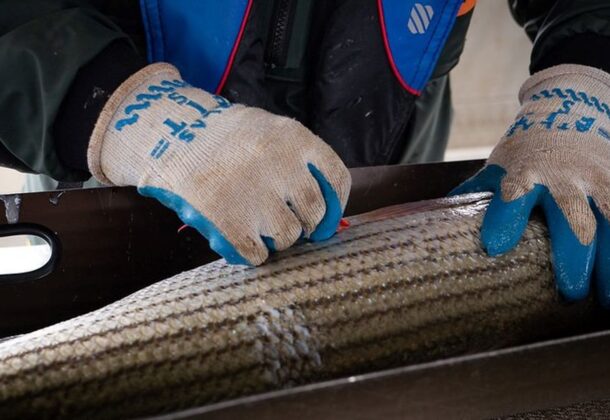
April is again open for the rockfish catch and release season in the reconfigured 2026 striped bass regulations that went into effect March 30. The new regulations also closed the season for all of August, during the hot, final weeks of the summer.
The Maryland Department of Natural Resources says this seasonal shift enables anglers to catch and release striped bass in April when water temperatures are cooler, while closing the month of August for striped bass fishing when hot water temperatures make striped bass more likely to be accidentally killed by hook-and-line fishermen—known as recreational dead discards—while fishing them.
The 2026 recreational striped bass season in the Chesapeake Bay is:
- January 1–April 30: Catch and Release
- May 1–July 31: Harvest
- August 1–31: Closed
- September 1–December 5: Harvest
- December 6–31: Catch and Release
Striped bass is one of the most popular recreational fisheries in Maryland. Recreational fishing and boating generate an estimated $701.5 million in value added economic activity in the state in 2024, according to outdoor recreation statistics compiled by the federal Bureau of Economic Analysis.
When striped bass harvest is permitted, anglers may keep one striped bass per person, per day, with a minimum length of 19 inches and a maximum length of 24 inches. During catch-and-release season, officials encourage anglers to practice techniques that will help the fish survive, such as limiting the amount of handling and minimizing air exposure.
The ocean recreational fishery is open year-round with a 28-inch to 31-inch slot limit and a coastwide daily bag limit of one fish.
Spawning rivers will remain closed to targeting from March 1 to May 31 to protect spawning striped bass. Anglers can refer to DNR’s website for maps and additional information regarding these closures.
Despite an increase in large coastal spawners in recent years, Maryland’s juvenile striped bass survey has documented seven years of poor recruitment in Maryland waters, and fisheries managers continue to investigate the pressures that could be affecting the survivability of very young striped bass.
The current adult population of rockfish is large enough to produce a strong juvenile year class when the environmental conditions are right. Fisheries scientists warn that the effects of the diminished juvenile year classes will likely become more apparent in the coming years, as those year classes mature.
The August closure is intended to better protect resident striped bass during a vulnerable period. Hot air and water temperatures in late summer make young resident fish in the population more vulnerable to dying, even when they are caught and released. Recreational dead discards, when a fish dies after being caught and returned to the water, accounted for 21% of total fishing-related striped bass deaths in the Bay in the most recent stock assessment data published in 2022. The August closure is aimed at giving younger resident fish the chance to grow and eventually leave the Chesapeake Bay to join the spawning stock.
DNR officials also encourage anglers to pursue invasive blue catfish and Chesapeake Channa, also known as snakehead, by using different fishing methods than those commonly used for striped bass during the striped bass closure. These invasive species have no bag or size limits, and their harvest contributes to a healthier ecosystem in the Bay. Tips and methods for fishing blue catfish can be found on the DNR website.
A fishing license is required to fish for striped bass. Maryland anglers can purchase their licenses online at MD Outdoors, at DNR service centers, or at sport license agent retailers. Fishing licenses, as well as tackle, boat, and marine fuel purchases, fund DNR’s fish conservation work.
More information on Maryland’s state fish and maps displaying the new season structure can be found on the DNR website. The department also shares guidance on responsible catch and release, as well as an advisory forecast for fishing striped bass in the summer.